
Stretching
There are several forms of Stretching, and several materials we can stretch. Here is a list of stretching services we provide on a daily:
Canvas Stretching
Embroidery/fabric stretching
Clothing
Jerseys
Canvas Stretch
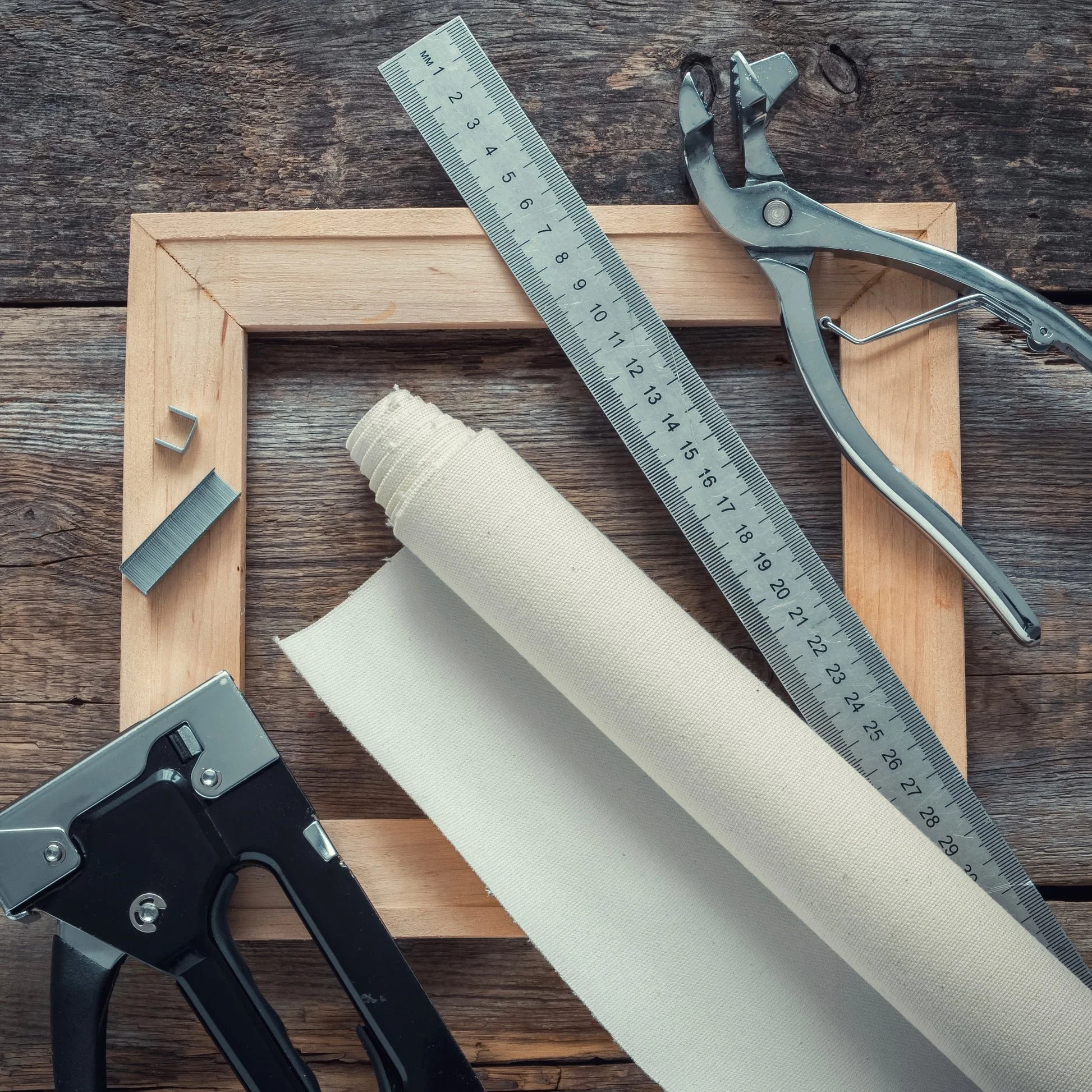
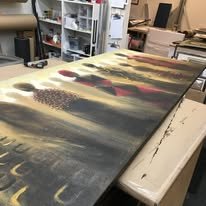
Canvas stretching is the process of pulling a canvas tightly over a wooden frame (called stretcher bars) and securing it in place, usually with staples or tacks, so the surface is flat and under even tension.
In simple terms, it turns a loose piece of canvas into a firm, display-ready artwork.
What canvas stretching does
Creates a smooth painting surface with no wrinkles or sagging
Holds the artwork in shape so it doesn’t distort over time
Prepares the canvas for framing or hanging, either framed or as a gallery wrap
Protects the artwork by allowing controlled tension that can be adjusted later
Where it’s used
Original paintings
Printed canvas artwork
Photography on canvas
Fine art and decorative wall art
Why it matters
Without proper stretching, a canvas can warp, loosen, or wrinkle due to changes in temperature and humidity. Proper stretching ensures the artwork looks professional, lasts longer, and displays correctly.
If you want, I can explain how canvas stretching differs from mounting, types of stretcher bars, or when a canvas should be re-stretched.
Embroidery Stretching
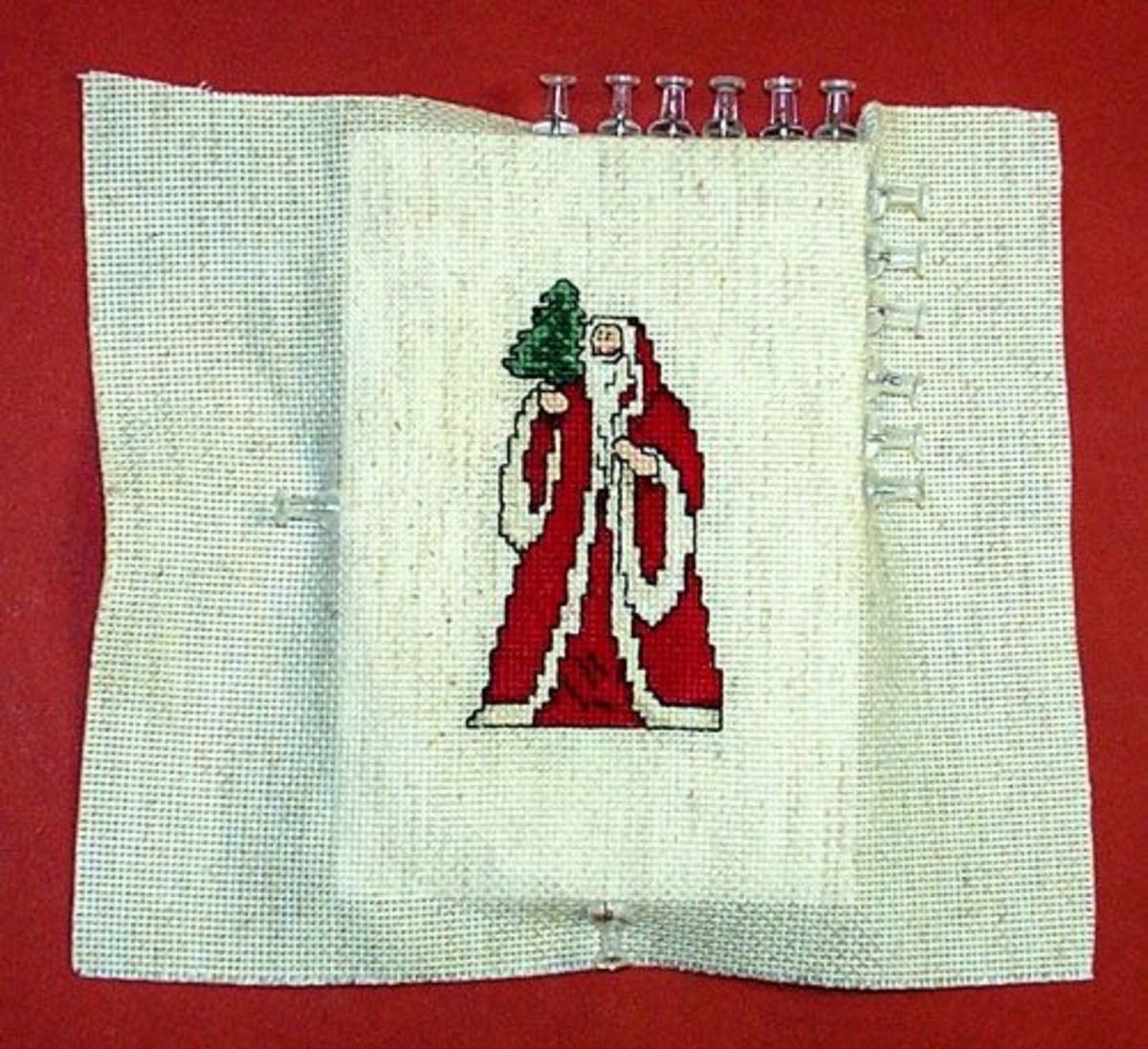
Embroidery stretching (often called lacing or needlework mounting) is the process of gently and evenly tensioning an embroidered textile over a rigid, acid-free backing so it lies flat and square before being framed.
Unlike canvas stretching, embroidery stretching does not use staples or glue. It’s a conservation-focused method designed to protect delicate fabric and stitching.
What embroidery stretching involves
The embroidery is centered on an acid-free mounting board
Threads or lacing are used on the back to pull the fabric evenly from all sides
Tension is adjusted gradually so the piece becomes flat without stressing the fibers
The textile is secured in a way that is fully reversible
Why embroidery stretching is important when framing
1. Keeps the textile flat and aligned
Embroidery naturally wrinkles, waves, or pulls out of square over time. Proper stretching removes ripples and ensures the design sits straight within the frame.
2. Protects delicate fibers and stitches
Embroidery threads and fabric can be fragile. Even, controlled tension prevents distortion, thread breakage, or permanent creasing that can occur if the textile is forced or glued.
3. Preserves the artwork long-term
Because the method is reversible and uses archival materials, the embroidery can be safely removed or re-mounted in the future without damage—an essential conservation principle.
4. Improves appearance and professionalism
A well-stretched embroidery looks crisp and balanced, with even margins and no sagging. This significantly enhances its visual impact and perceived quality.
5. Prevents future movement inside the frame
If embroidery isn’t properly stretched, gravity and humidity can cause it to slump or buckle inside the frame over time. Stretching stabilizes the piece so it stays in place.
Why not glue or staple embroidery?
Glue can stain or stiffen fabric
Staples or pins can tear fibers
Non-reversible methods reduce the artwork’s value and lifespan
Professional framers avoid these methods for needlework.
In short
Embroidery stretching is essential because it protects the textile, ensures a flat and square presentation, and preserves the piece for the future, all while making it look its best in a frame.
If you’d like, I can also explain the step-by-step lacing process, differences between framing embroidery and cross-stitch, or what makes a method museum-grade.